A common method of testing antennas uses weak signal propagation reporting (WSPR) to see how far a signal reaches.
We send out a standardized weak signal transmission, typically 0.2 watts, and watch for responses from WRPR reporting stations around the world. The number of spots and their signal strength reports give us an assessment of how well an antenna is operating.
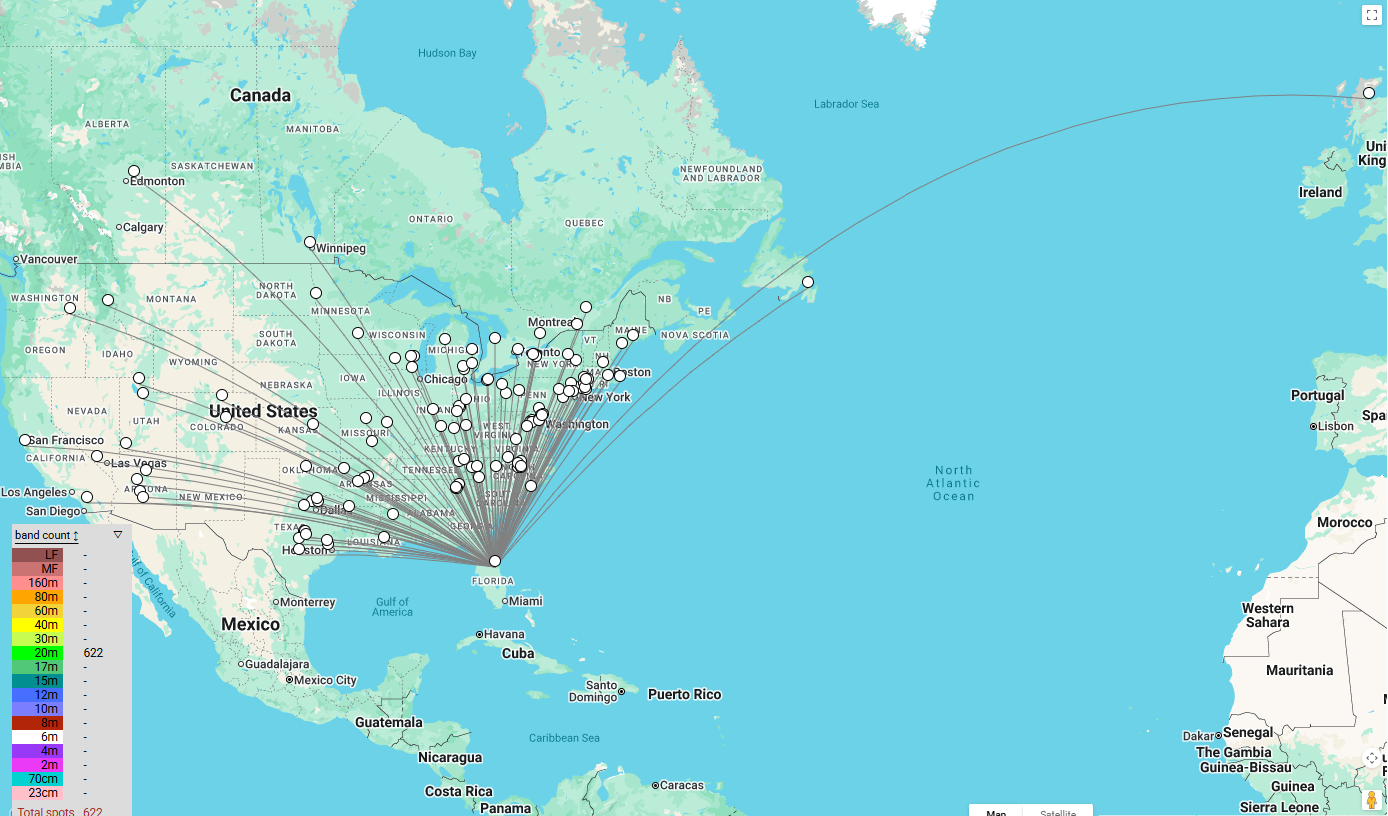
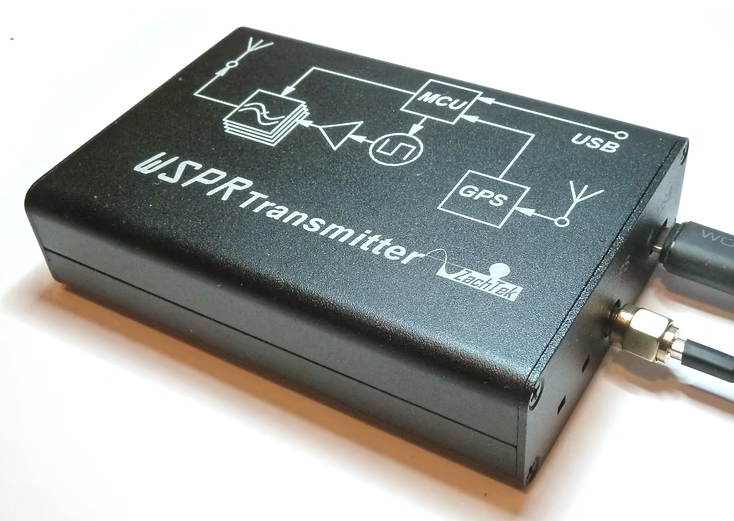
A WSPR transmission is 1 minute and 52 seconds in length. A simple little WSPR transmitter can continuously pump out these standardized transmissions, at 2 minute intervals, for as long as we want. Some hams let WSPR transmissions run for only a few minutes, some for many hours.
To try out a new antenna, I typically run for about 20 minutes. That’s enough to give me a “does it antenna?” assessment.
OK. Let’s use WSPR to compare two antennas, A/B testing. Being a lifelong nerd, I really really like data driven results. We can run WSPR using one antenna and then the other, and compare results. Sounds simple.
Oh!!! Propagation varies by time of day, by band, and even from minute to minute. This leads many to think that an A/B comparison between 2 antennas using WSPR is not valid, because if I run 20 minutes on one antenna and then take time to switch, and maybe rearrange antennas, and run 20 minutes on the other, propagation will most likely have changed, especially if there is a notable amount of time between the two test periods.
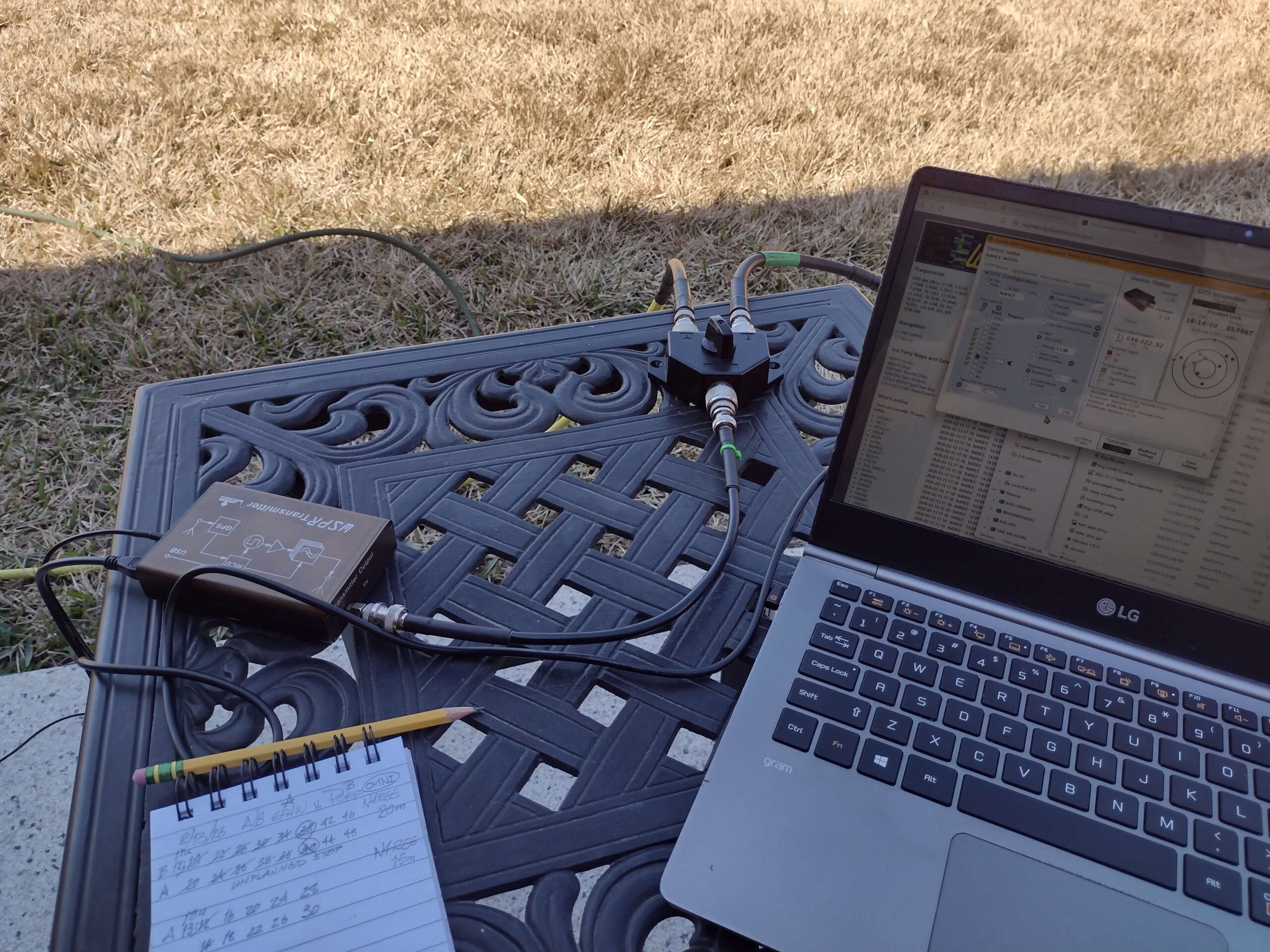
But what if…. What if I could have both antennas set up at the same time (and not close enough to interfere with each other), and use an A/B switch to switch back and forth between them? Then, I could run one WSPR transmitter for both, manually switching A to B or B to A during each 8 second interval between successive transmissions. Do this for an appreciable period of time and the relatively close run times will likely smooth out the propagation changes. [That’s my theory and I’m stickin’ to it.]
Yes, there are those of you out there who will suggest using 2 different callsigns, one for each antenna. First, good if you have 2 available. Second, you have 8 seconds to pause the transmission, change the callsign, throw the switch, and restart transmission. See how well that works out. It’s a lot less error prone to let the transmitter run continuously and sort out the collected results.
Next, collect the results from wsprnet.org of from wspr.rocks, separate the reports into two buckets, one for each antenna, and analyze things such as number of spots, signal strengths, and distances. Yeah, sounds simple. … until you get this honking large spreadsheet downloaded and tediously try to separate every other line into two separate spreadsheets (one for each antenna). OH SNAP!
Doing this without any other tools is so tedious and error prone that I defy anyone not mix up results between the two antennas.
There is a better way. Lord Callum McCormick led the way recently and I’m stealing directly from him. I’ll show you the technique in the next post. …
72 de N4REE, Bob
Leave a Reply